Library · The plant and the country
What rooibos is
One word covers a shrub in the field, a crop at harvest, a processed leaf in a sack and a packaged product on a shelf. Knowing which one is meant is most of the work of understanding rooibos, and all of the work of buying it well.
Published 2026-10-21
The plant
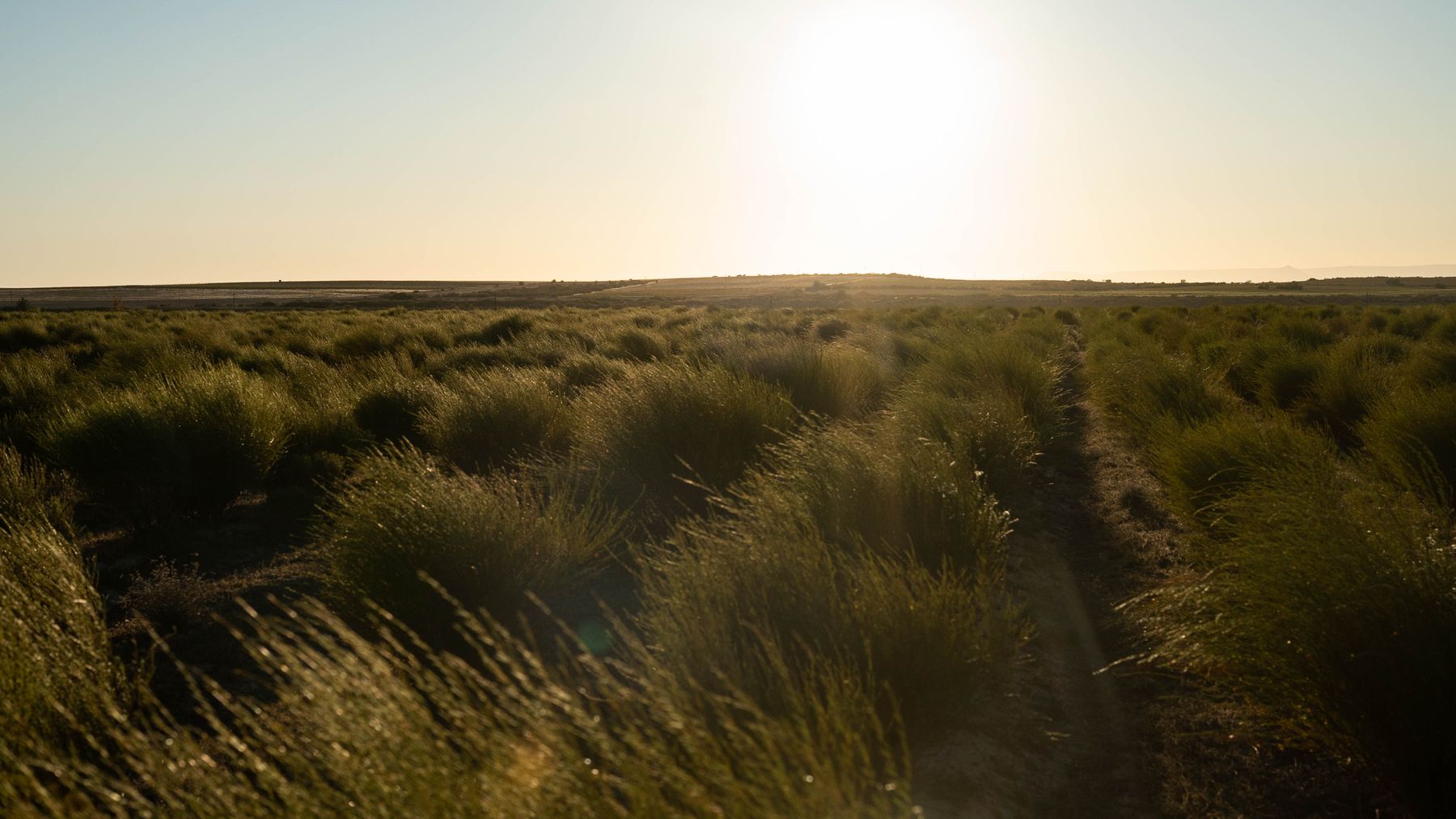
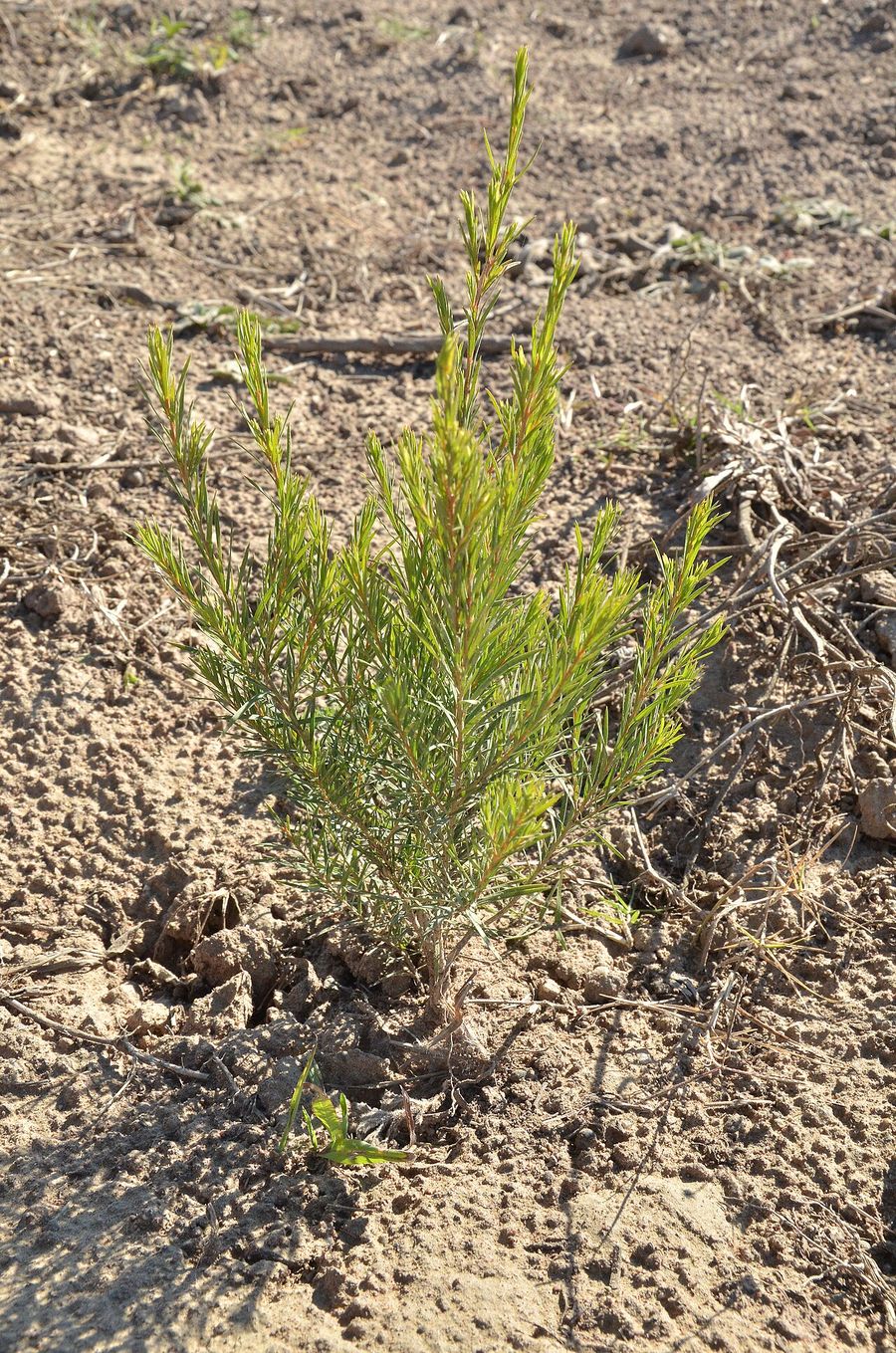
Rooibos is Aspalathus linearis, an accepted species in the legume family, Fabaceae, whose native range is given as the Cape Provinces. It is not related to the tea plant, Camellia sinensis, nor to the Cyclopia species that make honeybush. The shrub carries narrow, needle-like green leaves on fine branching stems, flowers yellow in spring, and sets small pods with a single seed. A government brochure describes a single basal stem that branches above the soil and a height of up to about one and a half metres, on deep, sandy, well-drained and acidic soils. Those are descriptive guides, not a key for every wild form.
The drink made from it is a herbal infusion of the cut leaves and stems. It is not tea in the strict sense; the word is used by habit because rooibos is brewed and drunk like one. In this library "rooibos" means the plant or the leaf as the context requires, and "infusion" or "cup" means the drink.


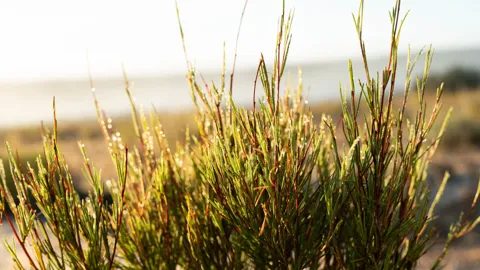
One word, four things
When a supplier, a label or an article says "rooibos", it can mean any of four things, and the difference decides what you are actually buying.
- The plant
- A shrub in the field. Growers talk about plantings and seasons. Nobody buys a plant; you buy what is cut from it.
- The crop
- What is harvested each summer. A harvest has a season and a year, and those two facts follow a lot of leaf through its life. That is why a careful buyer asks for them first.
- The processed leaf
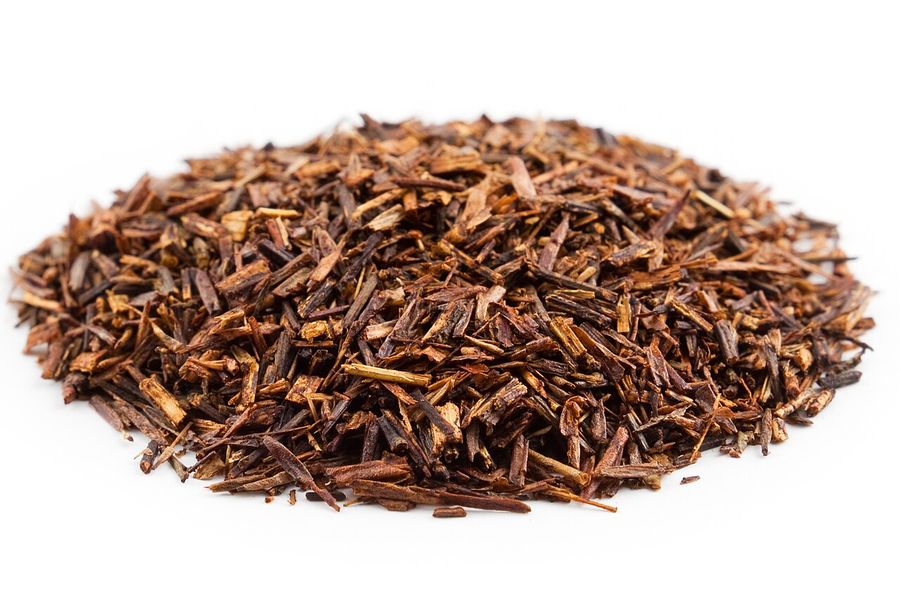
- Cut, bruised, oxidised or kept green, dried, graded and pasteurised. At this stage rooibos is a bulk material with a grade name, a cut length and a moisture level that the processor records.
- The product
- Loose leaf, tea bags, an extract or an ingredient in something else, under a brand. The brand may belong to the processor, to a retailer, or to a third party that had it packed.
Each stage can be a different business. A grower may sell crop to a processor; a processor may sell graded leaf to a packer or a trader; a trader may sell to you. The first useful question for any supplier is therefore which of these stages it handles itself, and which it buys in.
Red and green are the same plant
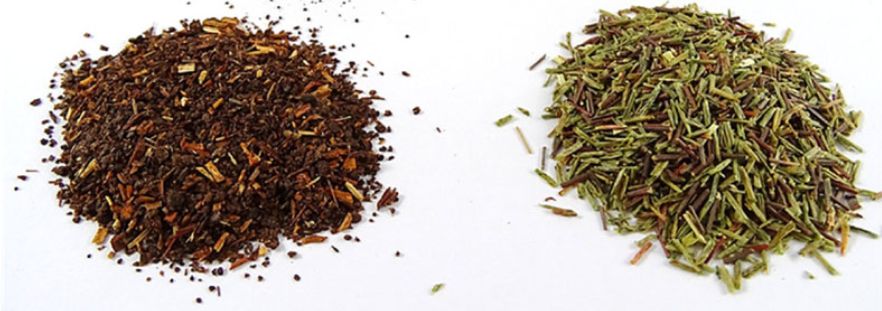
A rooibos plant in the field is green. The familiar red-brown colour develops after harvest, when the cut and bruised leaf is left to oxidise through the action of the plant's own enzymes, a step growers call fermentation although no culture is added. Green rooibos is the same leaf dried at once so that oxidation does not run. Grading then considers colour, flavour, aroma and cut length. The processing page draws the whole branch.

The name
"Rooibos" is Afrikaans for red bush, after the colour of the processed leaf and the infusion. The name carries geographical protection tied to its South African origin: in 2021 the European Union registered "Rooibos / Red Bush" as a protected designation of origin for dried leaves and stems of Aspalathus linearis cultivated or wild-harvested in a defined area, in oxidised and green forms. The atlas page says what that does and does not tell a buyer; what it means for a label in your own market is a question for your regulator and your supplier's paperwork.
Reading a label or a quote
With the four meanings in mind, a label or a quotation becomes easier to read. Look for:
- Type. Red (sometimes called traditional) or green. If it does not say, assume red and ask.
- Form. Loose leaf, tea bags, or a cut intended for blending or for a bagging line.
- Grade. A processor's own name for a combination of colour, flavour and cut length. Grade names are not standardised between processors; the grades page explains what to ask for instead.
- Origin. Where it was grown and where it was processed, which can be different places.
- Harvest. Season and year. A quote without a harvest year is quoting a name, not a lot.
If a label or a quote gives you fewer than three of these five, you do not yet know what you are buying. The brief builder asks for all five on your behalf.
Sources and notes for this page
Botanical identity follows Kew; morphology follows the 2012 government brochure as description, not as a diagnostic key. The Council FAQ supplies the processing and grading basics. The EU register listing was seen only as a listing; the legal status of the name comes from the regulation itself.
- Kew, Plants of the World Online: Aspalathus linearis, retrieved 2026-10-20.
- SA Rooibos Council, Frequently asked questions, retrieved 2026-10-21.
- Department of Agriculture, Rooibos tea brochure, 2012, retrieved 2026-10-20.
- SA Rooibos Council, Information sheet, 2022, retrieved 2026-10-21.
- EU Implementing Regulation 2021/865, Rooibos / Red Bush PDO, retrieved 2026-10-20.
- EU geographical indications register, Rooibos / Red Bush, index listing seen 2026-10-21; the entry itself was not retrieved.
How sources are chosen and read is explained on the Sources and methodology page.