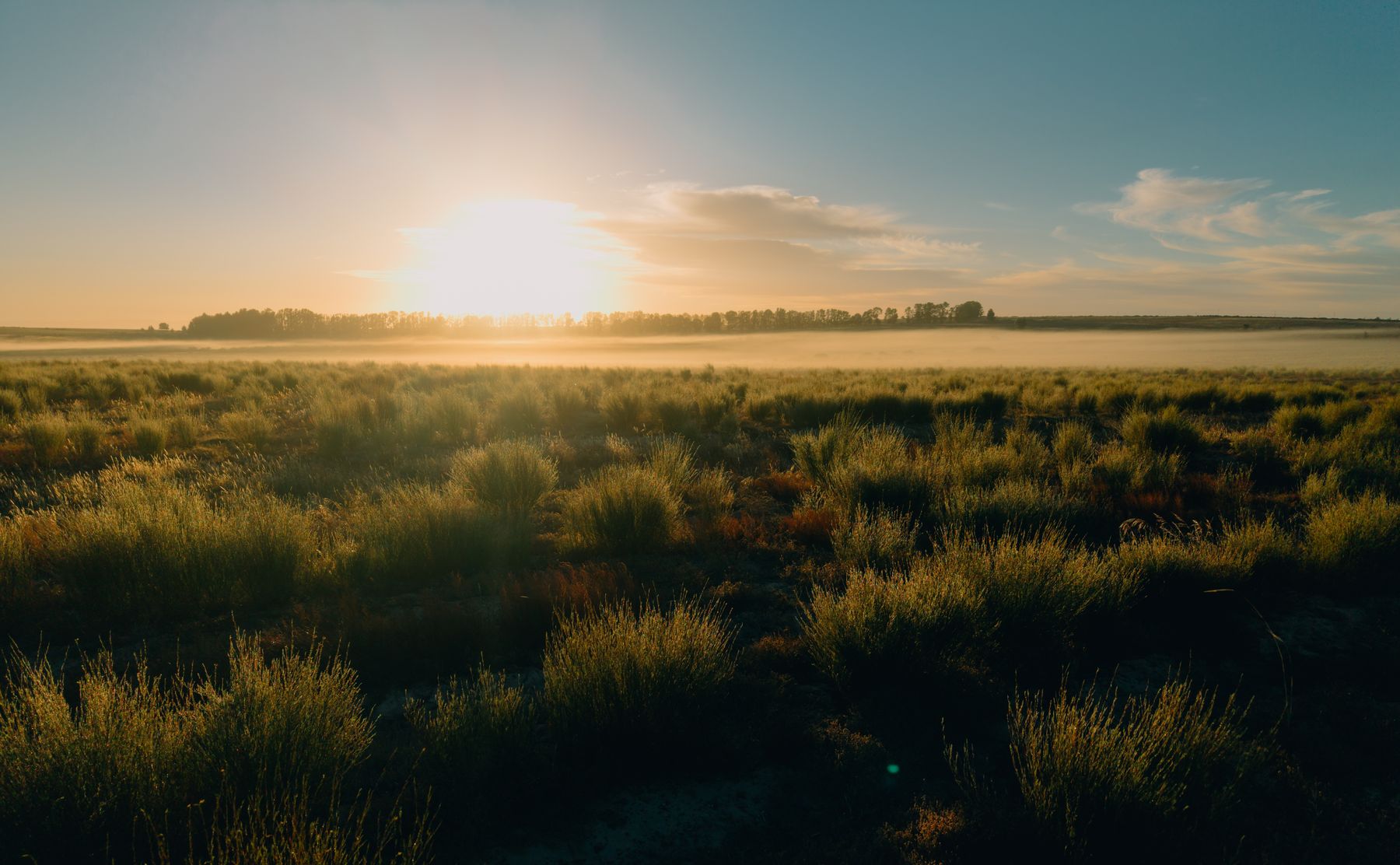
Rooibos, from the field to the cup and back to the field.
Rooibos is a legume shrub of the western Cape, a crop with a multi-year life, a leaf that is oxidised and sun-dried or kept green, and a drink. This library follows all of that with photographs from a Bokkeveld farm, drawn explorers, an atlas and dated charts, and keeps its sources where you can check them.
Follow the supply chain Explore the life cycle Open the atlas Build a sourcing brief
One word, four things
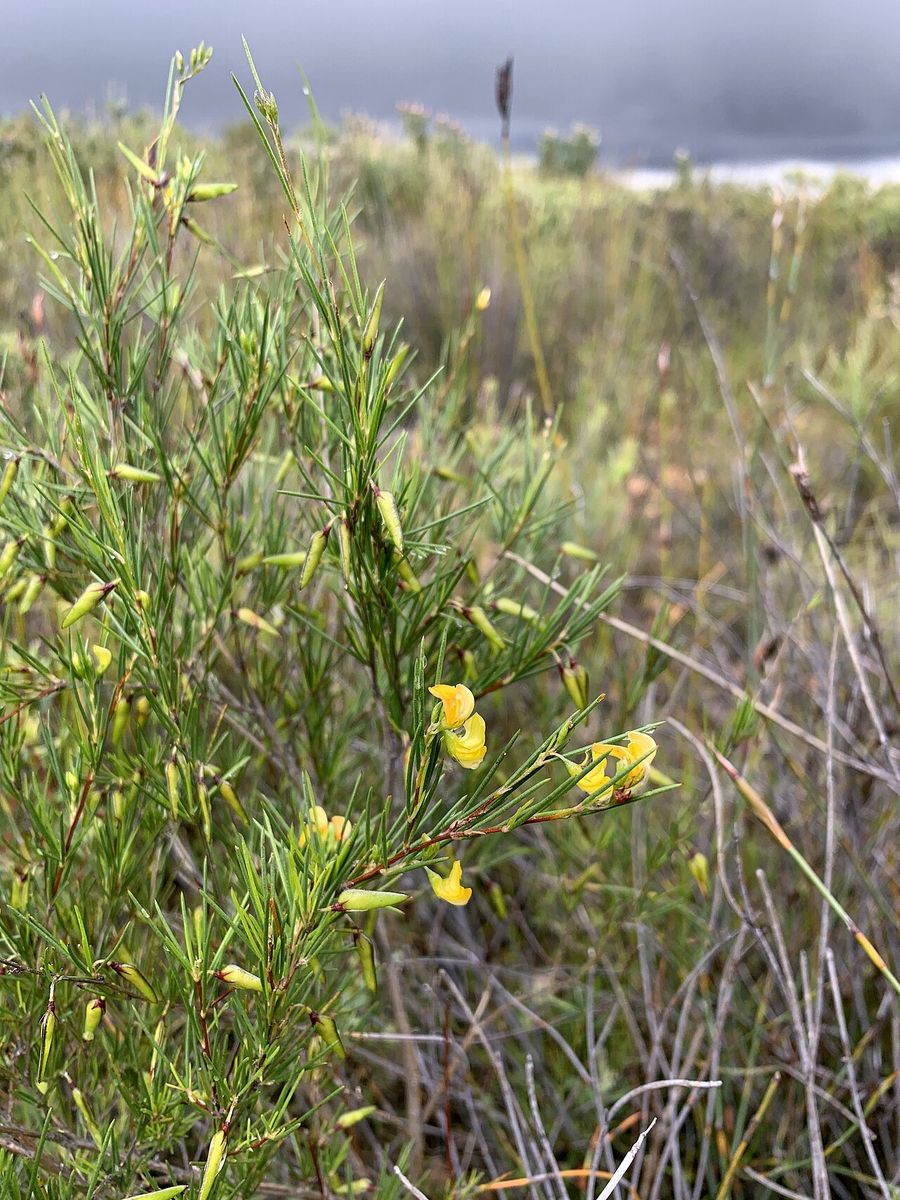
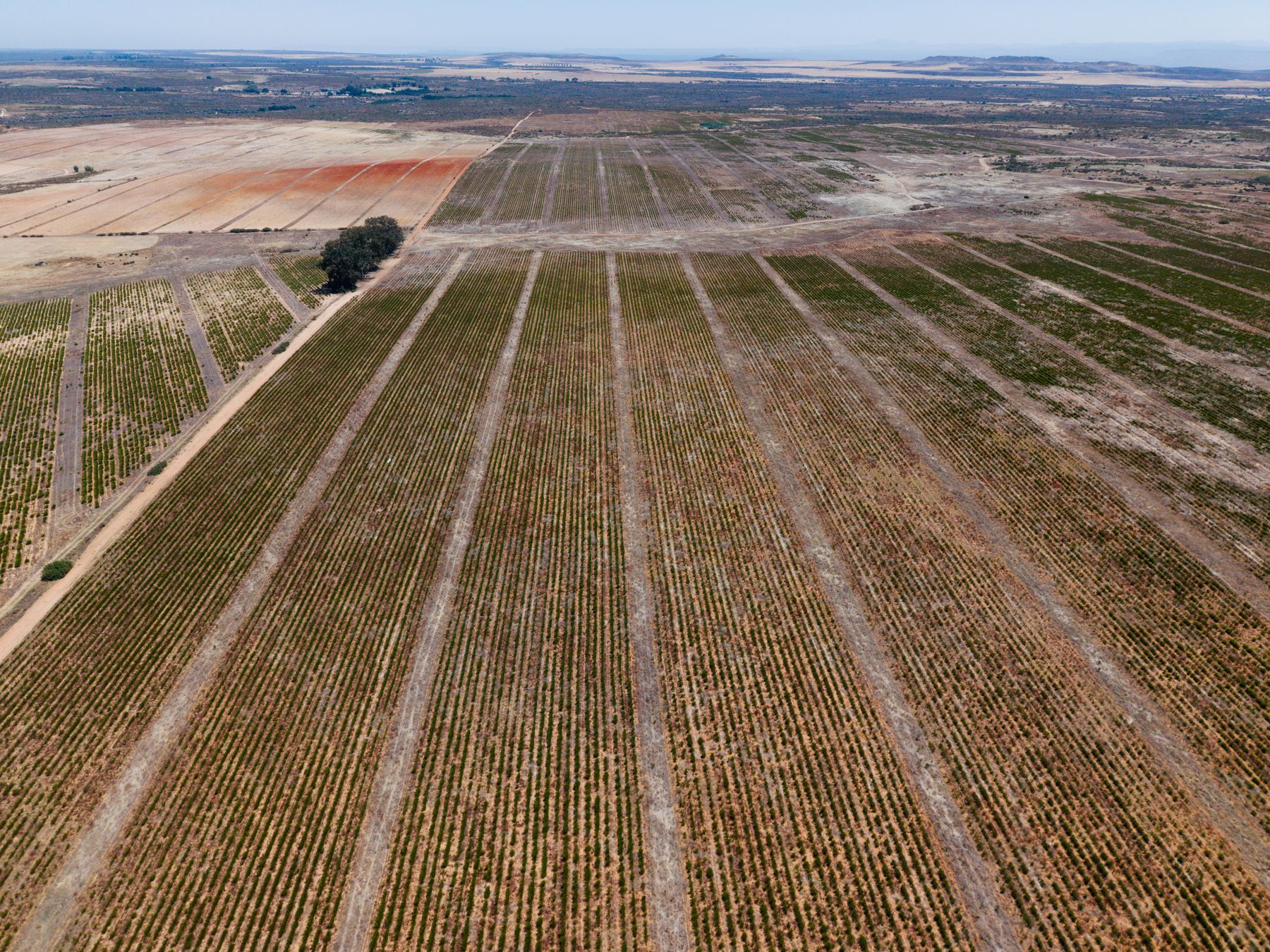
Rooibos is Aspalathus linearis, a shrub in the legume family that is native to the Cape. The same word names the crop at harvest, the processed leaf in a sack and the packaged product on a shelf. Production is concentrated in the Western Cape and the Northern Cape, in a stretch of country that runs from the Sandveld and the Cederberg mountains north to the Bokkeveld plateau around Nieuwoudtville.
This library is published by a grower on that plateau. The reference pages are written to be useful whoever you buy from; the farm's own offer stays on its own page, and the two are kept visibly apart.

Four ways in
- The supply chainSeed to retail in twelve drawn stages. Follow a batch, or choose a role and see only its stages.
- The life of a plantingSeed, nursery, field, harvest, regrowth, rest. An illustrated loop with the mechanism at every stage.
- Red or greenThe one decision after bruising, and everything that follows it on the court. Drawn as a branch.
- Rooibos countryThe towns, the mountains and the plateau on a map built from real coordinates, with a story for each point.
From a farm on the plateau
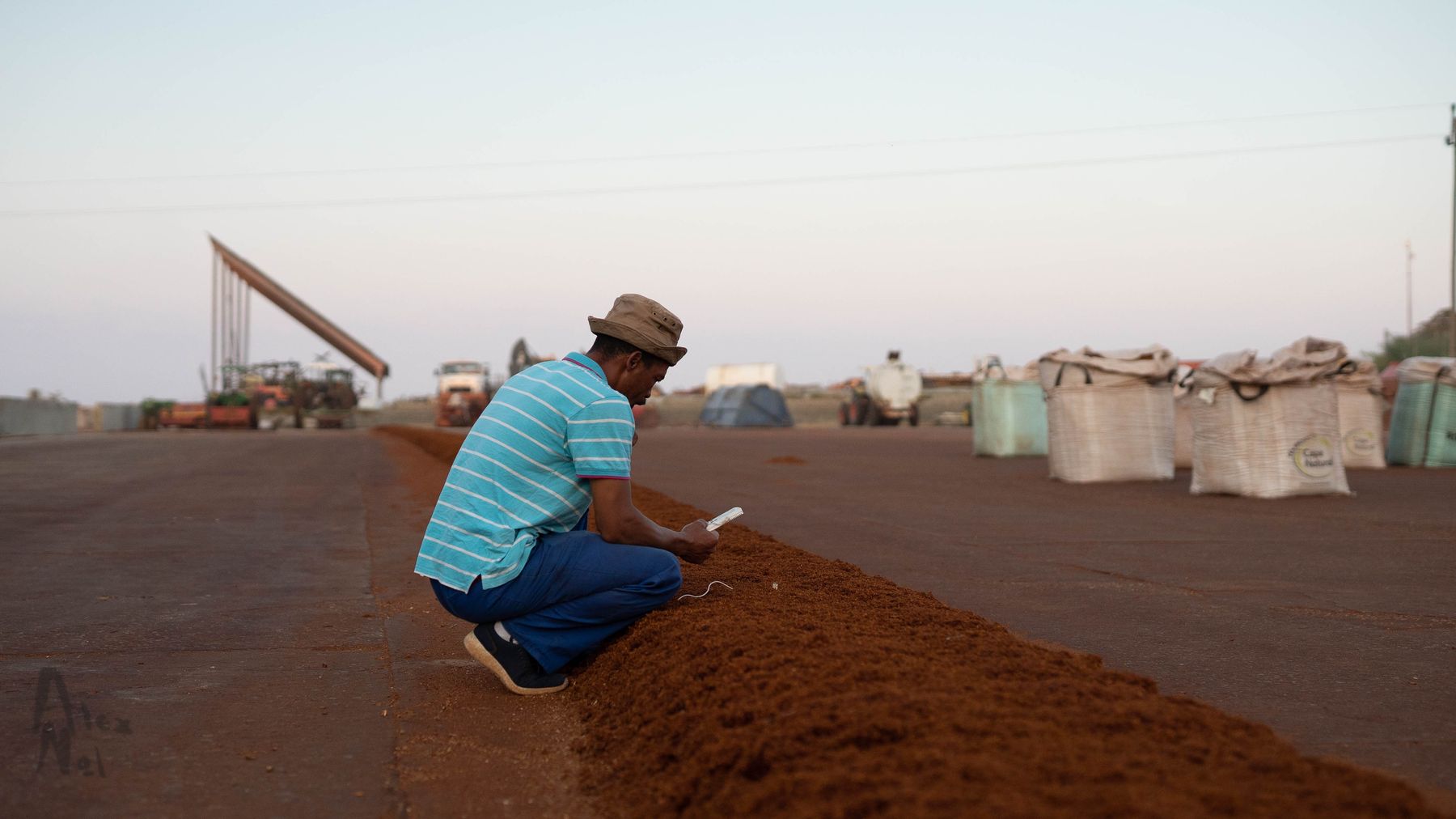
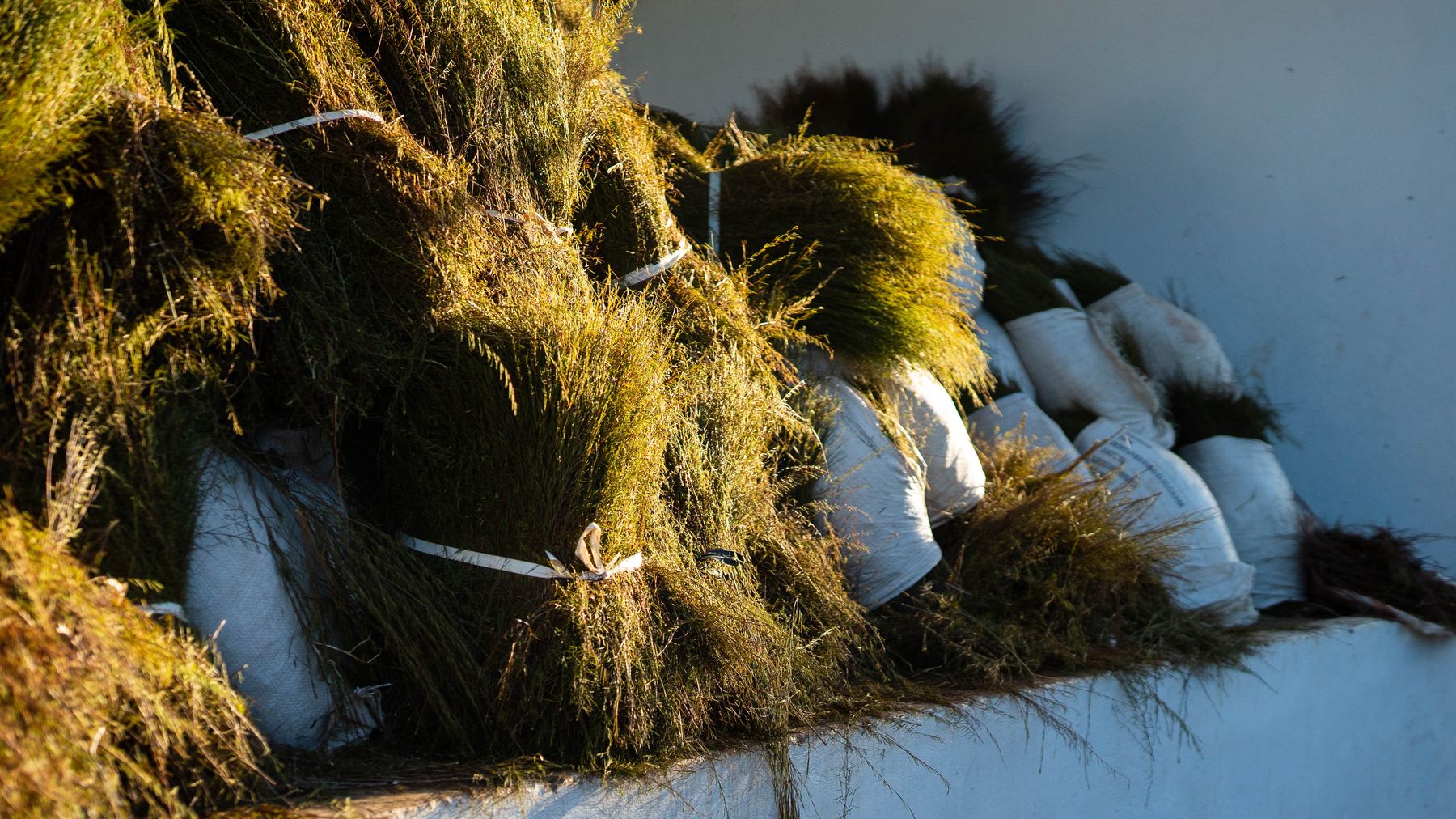
The photographs across this library come from Cloudskraal, a farm near Nieuwoudtville on the Bokkeveld plateau, and from a small set of licensed plant images where a close-up of the species was needed. Captions say what is in the frame and no more.
The library
The plant and the country
Growing and making
- The supply chainSeed to retail in twelve drawn stages. Follow one batch, or choose a business role and see only its stages.
- Seed and establishmentCollecting, cleaning and scarifying seed; direct sowing against nursery seedlings; cover crops, shelter strips and rotation; three clocks on a stand.
- Growing and harvestSeed to nursery to field, the harvests, hand against machine, the regrowth and the rest, in an illustrated life cycle.
- Types and processingCutting, bruising, overnight oxidation and the sun, or rapid drying for green. An illustrated branch.
- Oxidation and dryingThe enzymes, the compounds that change, one processor's heap time, one laboratory's range, and four kinds of drying kept apart.
Quality, brewing and uses
People, land and evidence
Sourcing and the market
- Sourcing and exportBulk packaging, the export standard, inspection, documents, storage and the three different clocks on a lot.
- The rooibos cycleLagged planting, stock and returns in dated charts, an interactive loop, and proposals for a more resilient supply.
- Where rooibos goesThe Council's top-ten export destinations for 2022 to 2024 drawn on a chart with the table behind it, and the 2025 headline kept separate.
- Who does whatProducers, processors, exporters, packers and brands by role, each with its own attributed claim and no ranking.
- Buying guideThe questions a careful buyer asks about lot, harvest, cut, specification, samples, packaging and paperwork.
Why the market swings
A rooibos planting gives nothing in its first year and reaches full yield in its second and third. Growers decide on planting with the last few years in mind, so supply answers a signal years after it was sent. Stock cushions a short crop and then weighs on the farm gate when it piles up. The market-cycle page draws the loop, dates every series, and separates a model's output from what has been observed.
日本語のページ (In Japanese)
ルイボスを育てる農園が、日本の読者のために書いた5つのページ。淹れ方、研究の読み方、エスプレッソ式の飲み方、仕入れと輸入。日本語トップへ。
Five pages written in Japanese for readers in Japan: a gateway, brewing, reading the research, espresso-style use and sourcing. They are original pages, not a translation of this library.
The farm behind the library
Cloudskraal Farms grows rooibos and runs a small trade channel here: the grades on offer (export fines, export espresso superfines, export loose tea blend, rooibos sticks), bulk packaging sizes, terms and one person to write to, Alex Nel. Export shipments go through Tiquimani. No quotation or availability is published; both come in a reply to a real enquiry. The trade page is the one place on this site that sells something, and the brief builder helps you ask any supplier the same questions.
Sources and notes for this page
- SA Rooibos Council, Frequently asked questions, retrieved 2026-10-21.
- SA Rooibos Council, Information sheet, 2022, retrieved 2026-10-21.
- Kew, Plants of the World Online: Aspalathus linearis, retrieved 2026-10-20.
How sources are chosen and read is explained on the Sources and methodology page.