Library · Quality, brewing and uses
Brewing and uses
Most brewing advice is stated as fact and sourced from nowhere. This page gives you a method, labels its preferences as preferences, and leaves the numbers to your own kettle.
Published 2026-10-21
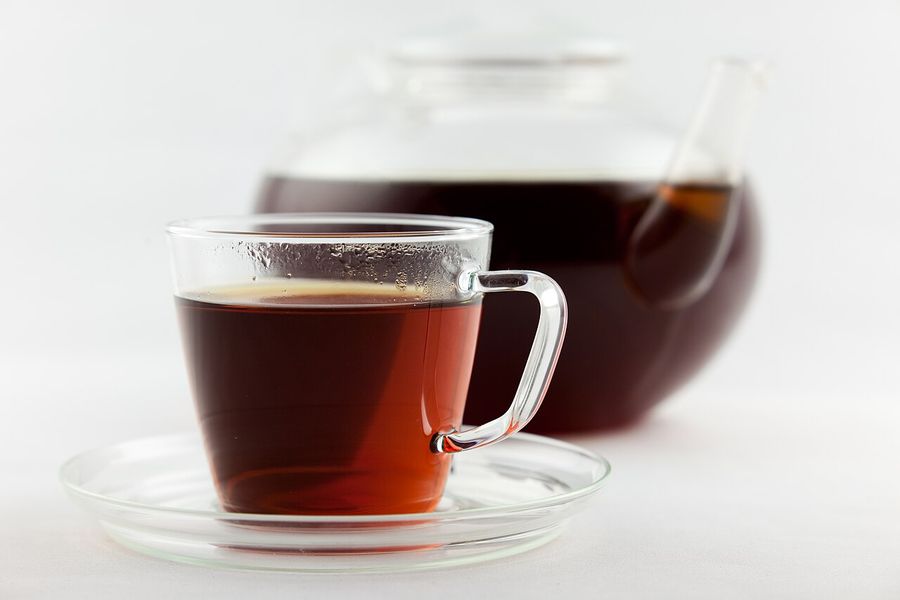

Rooibos is a herbal infusion made from cut leaves and stems, and red and green rooibos are processed differently. Both facts matter at the kettle: cut length affects how an infusion develops, and the two types are different products in the cup. So this page gives no single temperature, time or ratio as a rule. It gives you a starting point, clearly labelled as ours, and a method for finding yours. The Council describes the red cup as amber, slightly sweet and fruity, drunk hot or cold, with or without milk; many South Africans take it with milk and sugar or honey.
A starting point, labelled
Run a tasting
- Fix everything but one thing. Same leaf, same water, same cup, same amount of leaf. Change only the steep, or only the amount, or only the type. One variable per tasting.
- Brew three cups. A short steep, a medium one and a long one, timed with a clock so you can repeat whichever you like best. Record your own times.
- Taste in the same order each time. Look at the colour against something white, smell the cup, then taste. Let the cups cool a little and taste again, because the character shifts as they cool.
- Write it down. One line per cup. The point is to be able to tell a supplier, or yourself, what you want in words that mean something. The grades page gives a vocabulary.
- Repeat with the other variable. If you fixed the steep, now vary the amount. If you have both red and green, taste them side by side at the steep you preferred.
If you are comparing suppliers, brew every sample the same way and taste them blind. The sample that wins is the one to ask more questions about, starting with whether the shipped lot will match it.
Red against green
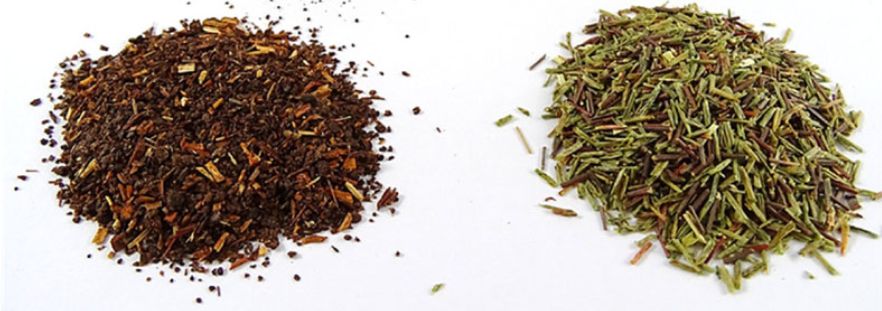

If you have never tasted green rooibos, taste it next to red at the same leaf amount and steep. Neither is better; they are different products from the same plant, and the comparison tells you quickly which one your use calls for. The Council describes the green infusion as lighter in colour, tan to yellow, with a mild green taste.
Brewing for service
If you are brewing for customers, in an urn, a pot or by the cup, the right starting ratio and time depend on your equipment and on the cut length of the leaf you buy. Both are things to ask the supplier about, and both belong in a brief.
- What starting ratio and steep do you suggest for this cut length in equipment like mine?
- Does the leaf you would ship brew the same as the sample you sent?
- How does the infusion change if it is held hot for a while, as it would be in service?
- Do you have a cut better suited to bags, and one better suited to loose service?
Beyond the cup
Rooibos products span ordinary beverages, food ingredients and cosmetic formulations. The forms to tell apart: red or green dried leaf, loose or bagged, for hot or iced drinks; flavoured and chai blends; a finely milled product for espresso-style machines, sold as lattes and cappuccinos; ready-to-drink infusions and concentrates with their own process and shelf life; infusions, extracts and powders used in cooking, baking, sauces and marinades; formulation-specific ingredients for dairy and confectionery; and extract-bearing toiletries. A powder is not necessarily an instant tea: one supplier distinguishes a finely milled powder that does not fully dissolve from products made for mixes and granulates, so ask about solubility, extraction and carriers before you formulate. For a new product, specify microbial quality, allergens and blend ingredients, sensory profile, stability and packaging at the finished-product level; dried-leaf storage guidance says nothing about a sweetened bottled drink.
Sources and notes for this page
Cup descriptions and the list of product forms follow the Council and processor descriptions. Brewing figures in the preference blocks are the publisher's own habit and are labelled as such.
- SA Rooibos Council, Frequently asked questions, retrieved 2026-10-21.
- Rooibos Ltd, About rooibos, retrieved 2026-10-20.
- Carmién, Bulk rooibos cuts, retrieved 2026-10-20.
How sources are chosen and read is explained on the Sources and methodology page.