Library · Growing and making
Seed and establishment
Everything in the chain starts with a small hard seed sifted out of sand. This chapter separates collecting it, cleaning it and opening its coat; compares sowing it in the field with raising it in a nursery; and keeps the plant's biological life, the stand's economic life and the rotation apart.
Published 2026-10-21
Collecting the seed
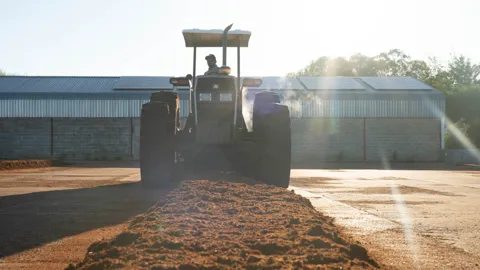
Each small yellow flower sets a pod with a single seed, and the pods split when ripe so that the seed falls into the sand. The Council describes most farmers today collecting seed by sifting the sand around the plants; its historical note that early farmers believed ants harvested the seed, and gathered it from ant nests, is a story about the industry's beginnings, not a description of how seed is supplied now. Collection happens after flowering and pod set in late summer, from plants old enough to flower well, in the season before the seed is sown.
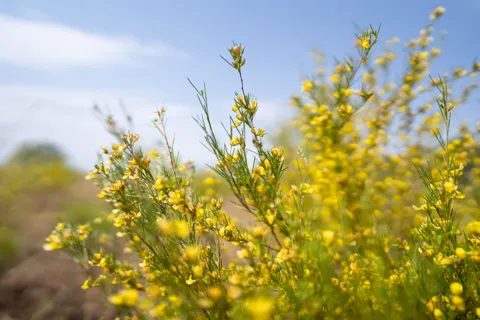
Seed is also bought rather than collected. A 2020 research paper records receiving pre-treated commercial seed from Rooibos Ltd, collected in 2017 from commercial plants on several Cederberg farms; a Suid Bokkeveld cooperative supplies its members with scarified seed and buys surplus seed from members who collect more than they need. Where the seed came from, and from which district, is a fact a grower should know and a buyer may later ask about.
Cleaning, grading and storing
Sifting separates seed from sand; it does not finish the job. Debris, immature or insect-damaged seed and stones have to be separated out, the lot graded, its purity and germination tested if the grower can, and the seed stored dry until sowing. Wild rooibos is a different case: the case study records little seed per plant, heavy predation by birds and insects, and seedlings raised from wild seed that failed when transplanted back into the wild.
What this page cannot tell you is how a named operation does this at scale. The cleaning equipment, mesh sizes, moisture targets and recoveries of an actual seed line have not been verified for this edition, and no standard line is invented to fill the gap. A grower who cleans seed should record what was done to which lot; a buyer of seed should ask.
Scarification: opening the coat
Rooibos seed has a hard coat that restricts water entry, so untreated seed germinates slowly and unevenly. Scarification opens the coat. It can be mechanical, by abrasion or nicking, or chemical, by thinning the coat with acid. A 1985 experiment with acid found improved permeability and germination alongside damage to seed structures and reduced seedling vigour: the same treatment that lets water in can harm what it exposes. The 2020 study describes its own seed lot as commercially supplied, scarified and coated with a pesticide; that is one study's lot, not evidence that every grower's seed is treated the same way, and not evidence that any treatment is permitted under organic certification. No acid concentration or exposure time is given here; a procedure belongs to the supplier or adviser who stands behind it.
Direct sowing or nursery seedlings
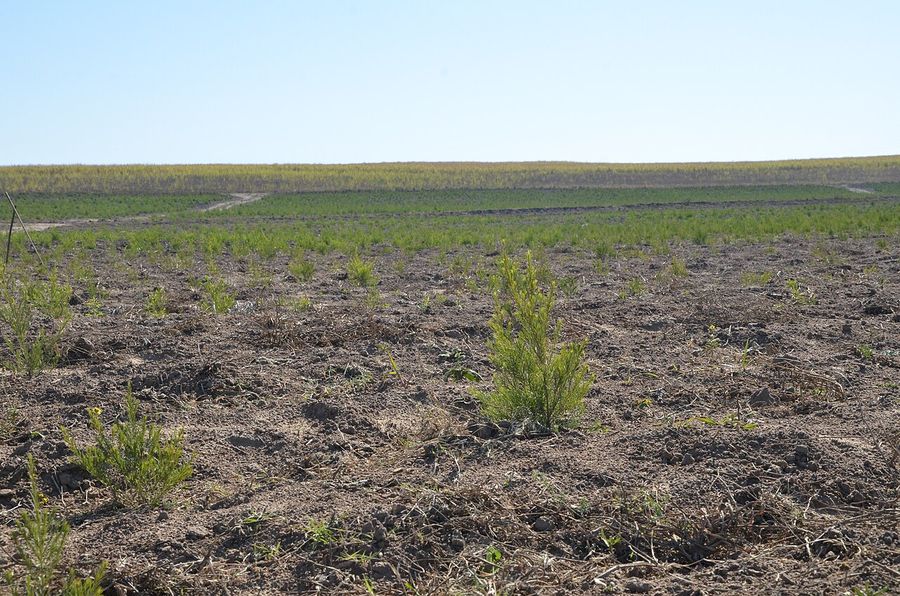
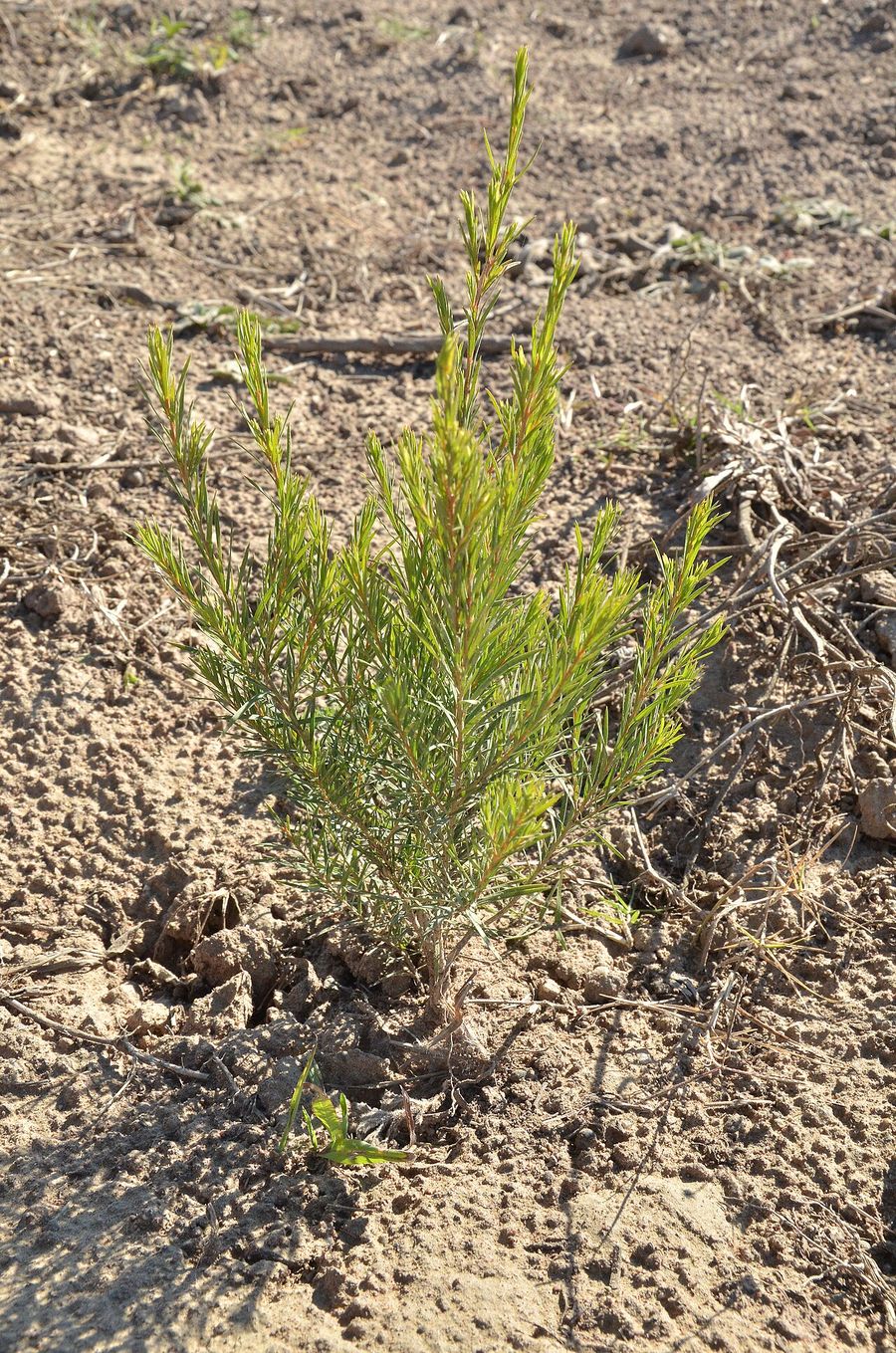
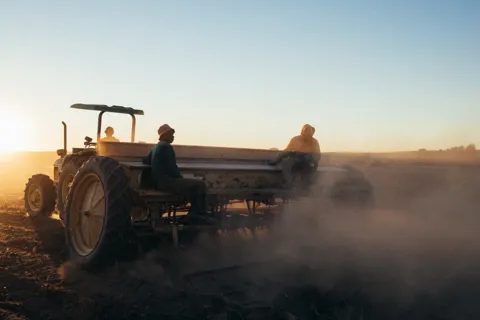
Both ways of starting a stand begin with seed; this is not a choice between seed and cloned plants. The question is where the seed germinates. Industry guidance describes sowing in a nursery around February and March and moving the seedlings to their final site a few months later, into the winter rains. The alternative is to sow scarified seed directly into prepared land and let germination follow the rains.
A Suid Bokkeveld cooperative's 2012 case study records both routes in one community. In 2005 the cooperative set up a seedling nursery and produced a manual on raising seedlings for organic production; water shortages later curtailed it. Its members found transplanted seedlings vulnerable to drought after planting and linked damage to the tap root at transplanting with root disease and a shorter life. Some members' success with sowing direct persuaded the cooperative to supply scarified seed for direct seeding, and one farmer on a very dry, wind-exposed plateau farm sowed directly into lands sheltered by strips of natural vegetation, reporting high survival and seed that stayed viable to germinate in a later season and fill gaps. That is a careful account of one cooperative's experience, not a replicated trial, and it does not establish that one method is generally superior.
A fair comparison tracks germination, establishment survival, nursery and transplant labour, root handling, the weather window, weeds and failed patches, and ends in surviving productive plants per hectare rather than plants put in the ground. Exact sowing depth, seed rate and the outcome for a particular district and soil need a local source; an old web page's depth figure is not adopted here as a current recommendation.


Cover between rows, shelter strips and rotation
Three practices are often run together under "cover crops". Cover between the rows while rooibos grows; strips that break the wind and keep some natural vegetation inside a field; and break or rotation crops on the land between one rooibos stand and the next. Grasses such as oats and legumes such as lupins serve different purposes in each.
A 2016 Water Research Commission article describes a Western Cape Department of Agriculture conservation-farming system developed with rooibos farmers from 2003: oats planted across the land with a conservation planter, rooibos set in paired rows with a tractor-width lane between them, the lane built up with cover crops (natural cover for two years, lupin in years three and four, then oats again), a one-year rest instead of the traditional two, weeds flattened with a knife-roller and spot-sprayed rather than boom-sprayed. The article reports that no higher rooibos yield had yet been seen on those plots at the time, while some costs were lower and soil life returned. A Western Cape research brief, read only as an indexed excerpt, proposed testing mixtures of serradella, lupin, vetch, barley, oats and rye between rows; it describes proposed research, and no completed trial result was read.
Benefits and trade-offs belong in separate columns. On one side: soil cover, less wind and water erosion, weed suppression, residues, grazing where that fits, and possible improvement of the soil. On the other: competition for water and space in a dry climate, the timing of termination, pests and disease carried by the cover, and the machinery and management the system needs. A legume cover is not automatically a measured nitrogen credit, and no yield improvement for rooibos is claimed from any of this. Assumptions from other crops or countries, and any grower's own financial model, are not local outcomes.
How long the plant lives: three clocks
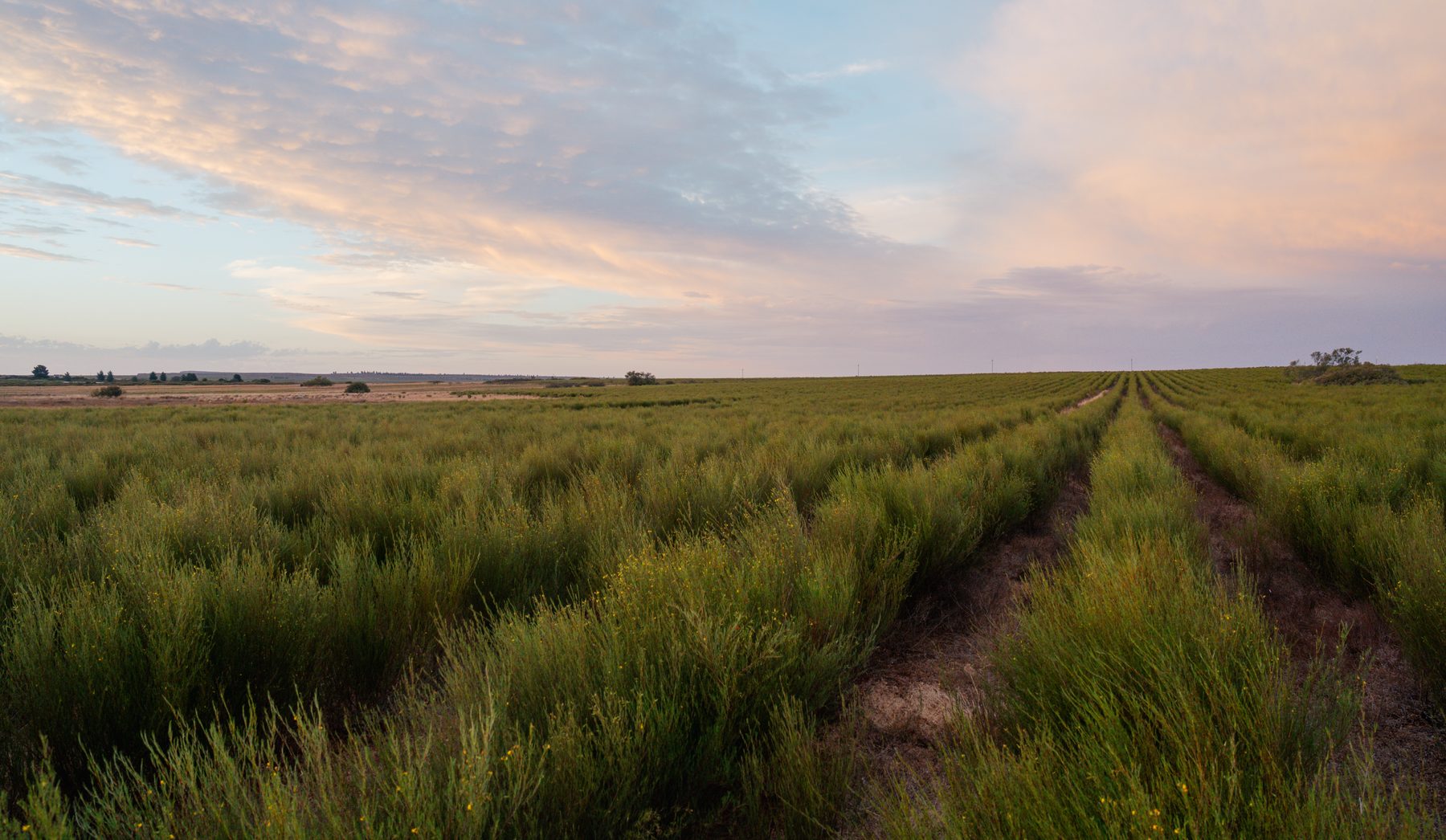
Four different things get called the life of a rooibos plant. The biological lifespan of the plant, which can exceed the time it is kept; the first productive harvest, which the Council puts at about eighteen months after planting; the economic stand life, which the Council describes as three to five harvests before the plantation is re-established; and the rotation, which adds the rest under cover before the land carries rooibos again. Supplier descriptions differ on where the eighteen months start, on the calendar, and on how long a stand is kept, so the timeline below is a typical, dated example with variability, not an industry law.
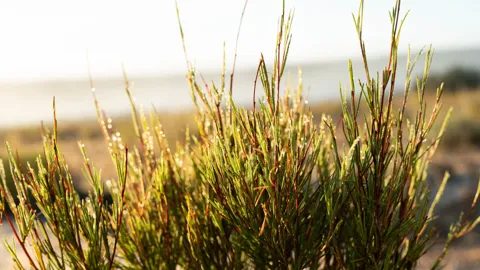
Wild and cultivated plants must not share one lifespan claim. The cultivated crop is a reseeding type; the botanical account and the case study both describe wild resprouting forms that survive fire from a rootstock, set little seed, and germinate after fire has cracked the seed coat. A figure for how long a wild resprouter persists says nothing about how long a cultivated stand pays, and genus-wide longevity figures are not applied to commercial rooibos here.
What to record from seed to stand
Seed source, lot and year; how the seed was cleaned and whether the coat was treated; germination test if any; the route chosen (nursery or direct) with sowing and planting dates; plant population at planting and after the first summer; the land's previous crop and cover; and the block's harvest history as it builds. These records are what turn a stand into a lot with a story, and they are the answers to the questions the explorer puts under each stage.
Sources and notes for this page
Collection by sifting sand and the nursery calendar follow the Council; the ant story is the Council's own historical note. The scarification evidence is a 1985 experiment read as an indexed summary and a 2020 study's description of its seed lot, read in full. The direct-sowing account is one cooperative's 2012 case study, not a trial. The cover-crop example is a 2016 Water Research Commission article; the Western Cape research brief was read only as an indexed excerpt and proposes mixtures without results. The botanical account of wild forms was read through an index. No sowing depth, seed rate, acid procedure or yield figure is adopted from any of them.
- SA Rooibos Council, Frequently asked questions, retrieved 2026-10-21.
- Acid scarification of Aspalathus linearis seed, 1985, abstract or excerpt read through a search index 2026-10-21; the document itself was not retrieved.
- Rooibos genome size estimation, 2020, retrieved 2026-10-21.
- SANBI PlantZAfrica, Aspalathus linearis, abstract or excerpt read through a search index 2026-10-21; the document itself was not retrieved.
- Oettlé, Adaptation with a human face, 2012, retrieved 2026-10-21.
- Water Research Commission, The Water Wheel, March–April 2016, retrieved 2026-10-21.
- Western Cape Department of Agriculture, rooibos cover-crop research brief, abstract or excerpt read through a search index 2026-10-21; the document itself was not retrieved.
- Department of Agriculture, Rooibos tea brochure, 2012, retrieved 2026-10-20.
- Rooibos Ltd, About rooibos, retrieved 2026-10-20.
How sources are chosen and read is explained on the Sources and methodology page.